

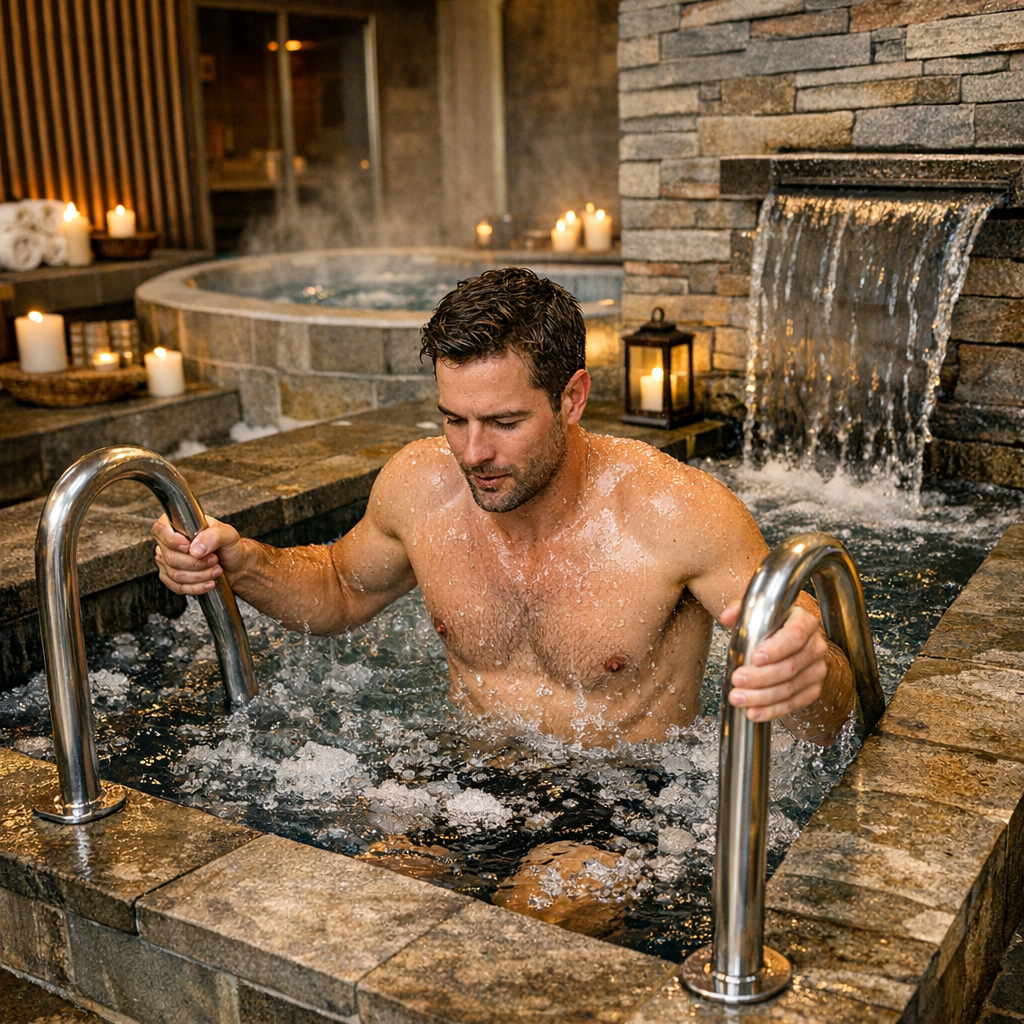
More Stockton gyms and wellness centers are adding cold plunge pools, and many people are experimenting with cold showers and contrast therapy. If you’re curious about this chilly trend—what’s real, what’s overhyped, and what to try safely—this guide is for you.
What is a cold plunge and why people try it
Cold plunging—also called cold-water immersion, ice baths, or cryotherapy—involves submerging part or all of your body in water around 50–60°F (10–15°C) for a short period. It’s often used after workouts or hot therapy sessions. Advocates say it helps with muscle soreness, boosts mood, supports sleep, and even improves metabolism. Scientific reviews show some promise, but evidence is mixed and many studies are small or short-term.
Possible benefits
Recovery and reducing soreness
If you’re pushing through heavy lifting sessions or cardio outdoors in Stockton’s heat, cold plunges may reduce swelling and muscle soreness. The cold constricts blood vessels, slows inflammation, and may help you bounce back faster.
Mood boost, stress relief, and better sleep
Many people report feeling calmer, more alert, and more positive after cold plunges. Morning cold showers or brief dips may trigger the release of mood-related chemicals and support better sleep patterns.
Limits, risks, and misconceptions
Cold plunges aren’t magic. They don’t replace sleep, good nutrition, steady exercise, or proper recovery. Also, frequent plunges immediately after resistance training may reduce gains in strength or muscle growth.
Risks include cold shock, spikes in blood pressure, breathing and heart rate changes, and even hypothermia if exposure is too long or water too cold. People with heart conditions, high blood pressure, or respiratory issues should check in with a medical provider before trying cold plunges.
How to try cold plunges safely (especially in Stockton)
- Start slow. Try cold showers first—ending your regular shower with 30–60 seconds of cold water.
- If using a plunge pool, begin with short exposures of 1–2 minutes. Stay under 5 minutes until you know how your body responds.
- Warm up afterward. Dry off, layer clothes, or use heat like a sauna or warm bath to rebalance your system.
- Know your limits. If you feel dizzy, shivery, or short of breath, it’s time out.
- Choose clean facilities. Local gyms or wellness centers should maintain pools properly—check hygiene and supervision.
- Consult a professional. If you have existing health issues, talk with a doctor first.
Finding cold plunge options in Stockton
Some gyms and spas in Stockton already offer plunge pools or contrast therapy. If your gym doesn’t, many basic setups—like using a bathtub or large tub filled with ice—can work safely at home.
Local wellness studios that focus on recovery, holistic health, or physical therapy often offer sled-loads of helpful advice, from recommended durations to combining cold with heat.
Bottom line
Cold plunges can be a powerful tool in your wellness toolbox—especially for recovery, mood, and opening up alternative paths to feeling better. But they’re not without risks. Used wisely, they enhance your routine. Used recklessly, they can backfire.
If you’d like, I can pull together a directory of places in Stockton that offer cold plunge pools and contrast therapy so you can try them safely in person.